EN
EN
 AF
AF AM
AM AR
AR AZ
AZ BE
BE BN
BN BS
BS CY
CY CA
CA CEB
CEB CS
CS CO
CO DA
DA DE
DE EO
EO ET
ET EU
EU ES
ES EN
EN EL
EL FI
FI FR
FR FA
FA FY
FY GA
GA GU
GU GD
GD GL
GL HY
HY HR
HR HT
HT HA
HA HAW
HAW HI
HI HMN
HMN HU
HU IW
IW IS
IS IG
IG ID
ID IT
IT LT
LT LB
LB MY
MY MK
MK MG
MG MS
MS NO
NO NY
NY PL
PL PT
PT PA
PA RO
RO RU
RU SV
SV TH
TH TR
TR TL
TL UK
UK UR
UR VI
VI XH
XH YI
YI YO
YO ZU
ZU populárne News
Prečo sú prispôsobené netkané stroje dôležité pre hygienické výrobky
2026-05-25


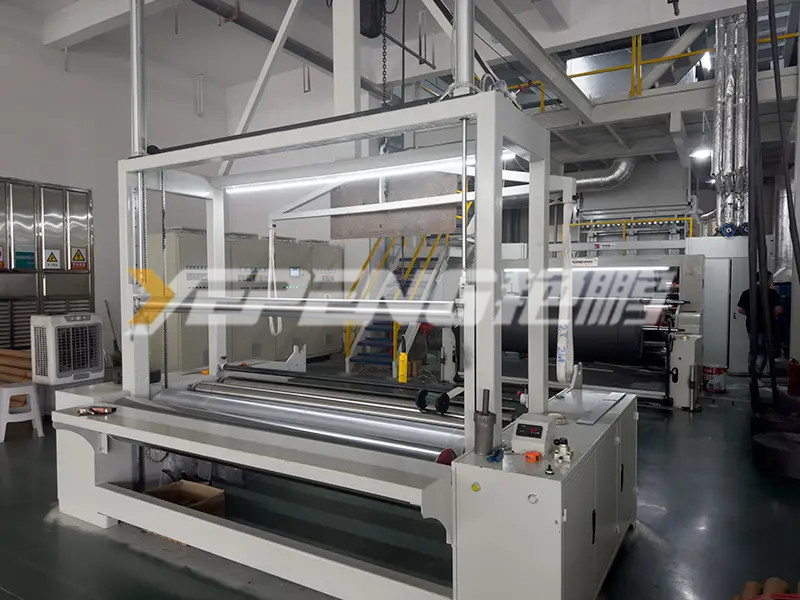
Zhejiang Yanpeng Nonwoven Machinery Co., Ltd je profesionálny výrobca špecializujúci sa na výskum a vývoj netkaných výrobných liniek. Od začiatku roku 2008 sa vždy zameriavame na netkané pole. Do dnešného dňa obsluhujeme viac ako 200 zákazníkov doma aj v zahraničí a po celom svete sme nainštalovali viac ako 600 netkaných výrobných liniek.
Medzi naše hlavné produkty patria: PP spunbond netkaná výrobná linka, meltblown netkaná výrobná linka, spunmelt kompozitná netkaná výrobná linka (ako SMS, SMMS, SSMMS, SMMMS ... atď.), Linka na výrobu polyesterových (PET) netkaných textílií, Nylon ( PA) linka na výrobu netkaných textílií atď. V roku 2021 úspešne spúšťame linku na výrobu netkaných textílií PLA/RPET.
Non-woven fabric, also known as non-woven fabric, is composed of directional or random fibers, because of the appearance of the cloth and some properties called non-woven fabric, non-woven fabric has moisture-proof, degradable, easy to decompose, not combustion-supporting, light, non-toxic and non-stimulating, rich color, low price, recyclable and other characteristics. Using polypropylene(PP material) as raw material, through high temperature melting, spinneret, hot roll production.
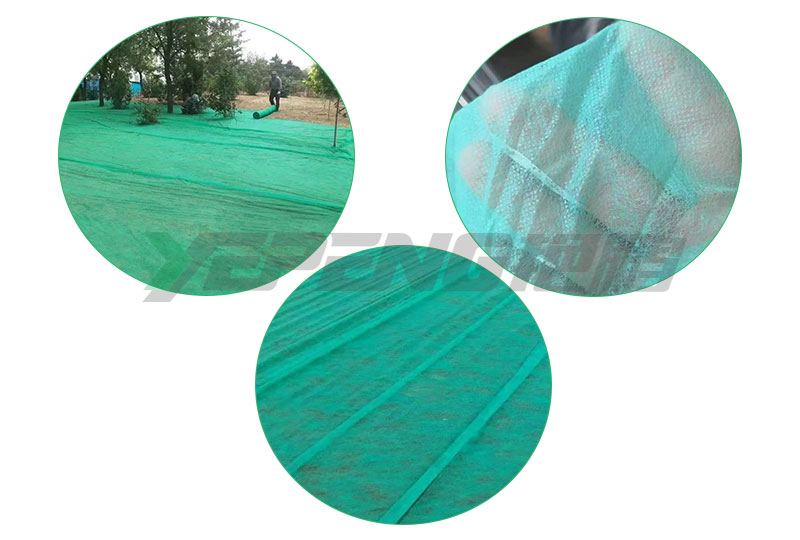
The application scope of non-woven fabric is very wide, agricultural non-woven fabric is mainly used in vegetable flower run, grass control and weeding, rice seedling, dust control, slope protection, disease and insect control, grass breeding, lawn greening, sunshade sunscreen, seedling cold prevention and so on. The main role of non-woven fabric is cold insulation, dustproof and environmental protection, with gentle temperature change, small temperature difference between day and night, without ventilation, reduce watering times, save time and labor.
In terms of trade, China exported nearly 1.4 million tons of nonwoven materials in 2020, 54 percent of which went to other Asian countries.
In 2020, nonwovens production capacity in Southeast Asia mainly consisted of spunbond spunmelt, staple fiber needling and/or thermal bonding, and polypropylene spunbond needling technologies. There are some small scale hot air production lines are also constantly developing.